

 0
0

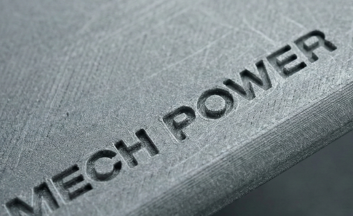
Our sanding finish enhances both the appearance and the feel of 3D-printed plastic parts through smoothing layer lines, evening out surfaces, and preparing parts for painting or display. It works well on both FDM and resin prints, making it an excellent choice for presentation models, parts, enclosures, and prototypes that need a clean, professional look.
Sanding Finish Specifications
FDM Specifications
Surface Preparation | Visible layer lines (0.16–0.28 mm layer height) |
Method | Wet & dry sanding (220–1200 grit) on visible surfaces |
Color Availability | Natural filament color |
Visual Appearance | Reduced layer lines, smoother edges, semi-uniform texture |
Best For | Enclosures, prototypes, functional parts |
Resin Specifications
Surface Preparation | Minimal layer lines (0.025–0.05 mm layer height) |
Method | Micro-sanding (600–2000 grit) to remove support marks |
Color Availability | Natural resin color |
Visual Appearance | Very smooth, refined, clean surface with sharp details |
Best For | Aesthetic parts, models, housings, fine-detail prototypes |
Sanding Options for 3D-Printed Parts
- 1. Wet Sanding — smoother, refined, uniform
- 2. Dry Sanding — matte, textured, functional

Sample Sanded Part

Design Considerations for Sanding Finish
1. Geometry Sensitivity
- Sharp corners may round slightly during sanding
- Complex internal features may not be fully sandable
2. Wall Thickness
- Minimum recommended: 1.5 mm for FDM, 1.2 mm for resin
- Fragile walls may flex or deform during sanding
3. Support Marks
- FDM: Deeper marks may remain in tight areas
- Resin: Support points can be micro-sanded, but geometry may limit access
4. Paint Preparation
- Sanding prepares surfaces for matte or glossy paint
- Primer is recommended for consistent color coverage
5. Dimensional Considerations
- Sanding removes micro-layers and may slightly affect fits on small tolerances
- For tight assemblies, specify areas that should not be sanded
Sanding Process
Sanding enhances both the functional feel and quality of 3D-printed parts. We apply controlled sanding techniques tailored to the material type, geometry, and surface requirements.
How we sand 3D-printed parts at Mech Power
1. Inspect the part after printing to locate high-visibility locations.
2. Perform first support mark removal (manual cleanup).
3. Use wet or dry sanding with the proper grit levels for FDM or Resin.
4. Refine the surface by smoothing edges and lowering layer visibility.
7. Final inspection for consistency, visual quality, and user friendliness
This process ensures that your plastic parts look clean, feel smooth, and are ready for assembly, display, or further cosmetic finishing.
FAQS
Frequently Asked Questions
Sanding reduces most layer lines, giving the part a cleaner, smoother finish.
Yes. FDM becomes smoother overall, and resin gets a cleaner, refined surface.
Very slightly. If some areas must stay untouched, just let us know.
Yes, it helps the paint sit better and look more even.
Mostly, yes. Deep corners or thin walls may not smooth fully.