

 0
0

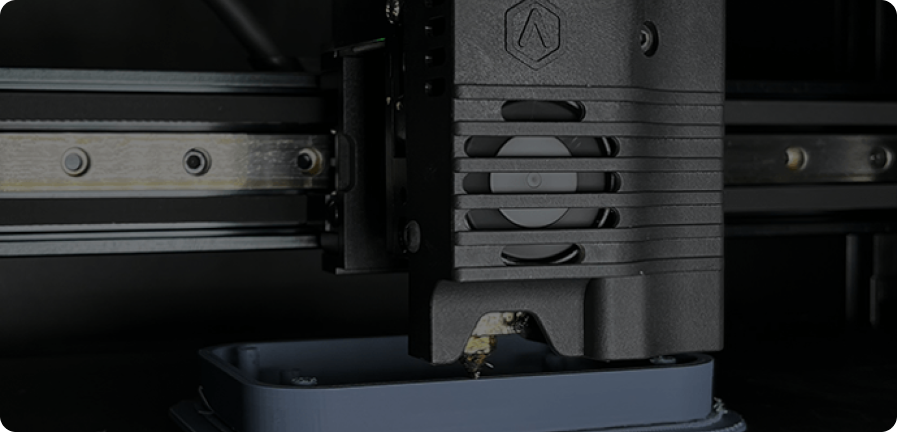
The surface finish of a 3D printed part or enclosure isn't just about looks. It affects how the part feels in your hand, how well it fits with other parts, and whether it's ready for things like painting or UV printing.
FDM and resin-based printing are great for prototyping and low-volume production, but they often leave behind visible layer lines and surface textures. Sanding helps take those rough prints and make them feel more like finished products.
What Is Sanding in 3D Printing?
Sanding smooths out surface imperfections by removing thin layers of material with abrasive tools. Starting with coarse sandpaper and working up to finer grits, sanding reduces layer lines, evens out textures, and preps the surface for paint or coatings. It works well with common printing methods like FDM and SLA.
Dry Sanding vs. Wet Sanding
Both dry and wet sanding play a role, depending on the material and the finish you're after.
Dry Sanding
- 🔹 Used early to remove layer lines and shape the surface
- 🔹 Grit range: 150–600
Wet Sanding
- 🔹 Used for final smoothing and paint prep
- 🔹 Grit range: 1000–2000
Wet sanding also helps control heat, which can soften or smear plastic if it builds up too much.
What a Sanded Print Looks Like
After proper sanding, a printed part should:
- 🔹 Have fewer or no visible layer lines
- 🔹 Feel smoother to the touch
- 🔹 Show a uniform matte or glossy finish (depending on grit)
- 🔹 Be ready for painting or branding
🔹 For parts that people see or touch—like enclosures or housings—the difference is obvious.
The Sanding Process
Here’s how to sand a 3D printed part effectively:
- Inspect and clean: Remove supports and debris.
- Coarse sanding (120–220 grit): Level out rough surfaces and high spots.
- Medium sanding (300–400 grit): Smooth and blend.
- Fine wet sanding (1000–2000 grit): Finish the surface for painting or coating.
Design and Performance Considerations
Tolerance and Fit
Sanding removes material, which can affect how parts fit together. On tight-tolerance features like snap fits or screw bosses, sand carefully or avoid sanding altogether.
Heat and Surface Integrity
Friction from sanding can cause heat buildup, especially with thermoplastics. Wet sanding helps manage this and prevents softening or warping.
Part Geometry
Flat and gently curved areas are easiest to sand. Deep recesses, sharp corners, and textured surfaces are harder to reach and might retain some imperfections.
Assembly and Sealing
Smoother surfaces help with sealing and bonding. High spots can interfere with gaskets, adhesives, or alignment features, so sanding helps ensure a better fit and function.
Material-Wise Sanding Suitability for 3D Printed Parts and Enclosures
Material | Sanding Suitability | Key Considerations | Typical Use After Sanding |
PLA | Good | Sands easily but softens with heat; light pressure and wet sanding recommended at fine stages | Visual prototypes, painted housings |
ABS | Very Good | Tolerates deeper sanding; edges hold better than PLA | Painted enclosures, functional housings |
PETG | Moderate | Tough and slightly elastic; benefits from wet sanding to avoid surface drag | Functional parts requiring durability |
ASA | Very Good | Similar to ABS with better UV stability, suitable for refined external parts | Outdoor enclosures, painted parts |
TPU | Limited | Flexible material; sanding effectiveness is low, and geometry may deform | Aesthetic touch-ups on rigid areas only |
TPE | Limited | Rubber-like behavior limits consistent sanding | Minor surface smoothing |
PRO-BLK 10 (Resin) | Excellent | Sands cleanly and evenly; good edge retention | High-quality visual and functional parts |
Rigid White (Resin) | Excellent | Produces a uniform matte to satin finish; ideal for painting | Medical, consumer-facing housing |
Rigid Gray (Resin) | Excellent | High feature clarity; maintains detail during sanding | Precision parts, display models |
Tough 60C White (Resin) | Very Good | Requires controlled pressure; balances strength and finish | Durable functional parts |
Tough Gray 15 (Resin) | Very Good | Good toughness with refined surface response | Snap-fit and assembled parts |
Flex-BLK 20 (Resin) | Limited | Light wet sanding only; aggressive sanding affects flexibility | Aesthetic refinement only |
Technical Note
Sanding suitability depends not only on material type but also on wall thickness, feature size, and tolerance sensitivity. For parts requiring tight fits or sealing surfaces, sanding should be specified selectively during design.
When Sanding Makes Sense
Sanding is worth doing when:
- 🔹Parts are visible or handled often
- 🔹You plan to paint or brand them
- 🔹You want a consistent, clean surface
- 🔹You want a finish that looks molded, not printed
If the part won’t be seen or touched, or if it doesn’t need extra finishing, you can skip sanding.
Final Thoughts
Sanding isn’t about perfection. It’s about improving surface quality where it matters visually, functionally, or for downstream processing. When done right, sanding helps bridge the gap between raw prints and production-ready parts.
FAQS
Frequently Asked Questions
Minor material removal can occur, especially on tight tolerances.
Most rigid plastics and resins sand well; flexible materials allow limited sanding.
Yes. Sanding improves paint adhesion and surface consistency.
No. Dry sanding is effective for the early stages; wet sanding is best for final finishing.
Most visible layer lines can be reduced, though very deep lines may remain faint.